Implementing an ERP system can truly transform how a business operates — streamlining processes, improving visibility, and supporting growth. However, the journey isn’t without challenges. For companies looking for Odoo ERP implementation services in Ahmedabad, even small mistakes during deployment can lead to delays, extra costs, or operational disruptions. As a trusted Odoo company in Ahmedabad, BraincrewApps has worked closely with many local businesses and seen these challenges firsthand. With the right planning and guidance, these risks can be avoided, making your Odoo ERP implementation smoother and far more successful.
What Is Odoo ERP and Why It Matters for Ahmedabad Businesses?
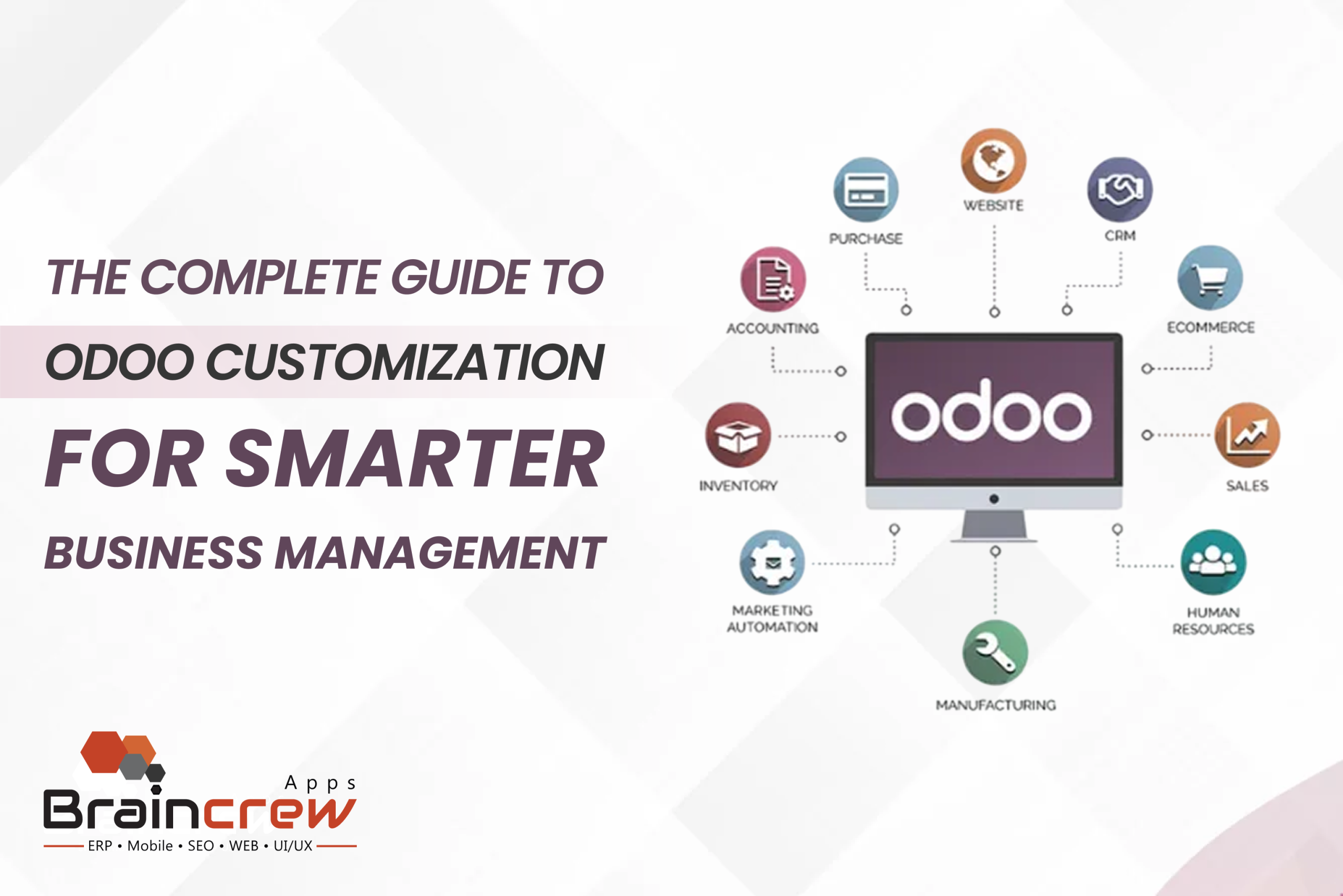
Odoo ERP is a modular enterprise system that helps businesses unify operations like finance, inventory, HR, sales, and more. For Ahmedabad companies scaling operations, choosing the right odoo ERP services partner makes the difference between a system that accelerates growth and one that stalls it.
Modern enterprises use Odoo because it offers flexibility, extensibility, and an open‑core approach that suits manufacturing, retail, distribution, and service sectors alike.
1. Risk: Poor Requirements Definition
One of the biggest mistakes in an Odoo rollout is not defining needs clearly before starting. If requirements are vague, development teams build the wrong workflows leading to rework and frustration.
Why This Happens
Without a robust digital transformation strategy, teams assume they know what users want. That usually isn’t true.
How to Avoid It
- Conduct structured requirements gathering workshops with every stakeholder (operations, finance, sales, HR).
- Map your existing processes to desired future states.
Define measurable success criteria before configuration begins.
2. Risk: Inadequate Customization Planning
Although Odoo is highly flexible, excessive or poorly planned customization can slow performance and complicate future upgrades. Many businesses implement features they don’t need.
What Goes Wrong
Customization without business justification creates technical debt. Developers may build scripts or modules that don’t align with strategic goals.
How to Avoid It
- Establish a governance rule: only customize when configuration cannot solve the problem.
- Prioritize modularity — use Odoo’s native modules first.
- Review customization proposals against ROI and upgrade compatibility.
3. Risk: Data Migration Errors
Migrating legacy data into Odoo ERP is highly risky because inconsistent or duplicate data leads to foundation issues. Poor mapping between old systems and Odoo causes downstream errors in reporting, inventory, and accounting.
Why It’s a Problem
Data silos often contain:
- Outdated records
- Duplicate customer IDs
- Unmapped chart of accounts
How to Avoid It
- Clean and normalize data before migration.
- Use automated tools with validation rules.
Test migrations in sandbox environments before going live.
4. Risk: Integration Challenges
A critical risk in ERP projects is failed or unstable integrations with existing applications like POS, payment gateways, or e‑commerce platforms. When systems don’t talk reliably, users lose trust.
Common Integration Failures
- Real‑time stock sync doesn’t work
- Orders appear late or duplicated
- Financials mismatch across systems
How to Prevent It
- Choose integration solutions with proven API support.
- Perform end‑to‑end tests before cut‑over.
- Monitor real‑time sync post‑deployment for at least two weeks.
5. Risk: Poor User Adoption
Even the best‑built ERP fails if end users don’t adopt it. Resistance to change is real especially when teams feel the system is harder than legacy spreadsheets.
Signs of Adoption Failure
- Low login rates
- Frequent help requests
- High reversion to old tools
How to Boost Adoption
- Run role‑based training weeks before go‑live.
- Provide quick‑reference guides and videos.
Appoint power users as internal champions.
6. Risk: Scope Creep and Cost Overruns
Scope creep the uncontrolled addition of new requirements is a major contributor to blown budgets and delayed schedules. Without strong scope governance, projects spiral beyond original plans.
What Triggers Scope Creep
- Late change requests
- Undefined milestones
- Lack of priority disciplines
How to Control It
- Create a project governance board.
- Prioritize all change requests against business impact.
- Lock scope before development sprints begin.
7. Risk: Lack of Post‑Go‑Live Support
Many businesses rush to launch but don’t plan for ongoing support — a strategic mistake. ERP needs evolve, and issues inevitably emerge once real data and users go live.
Why It Matters
Reporting anomalies and process edge cases appear only after usage volume grows.
How to Mitigate
- Ensure your odoo ERP services partner offers structured post‑deployment support.
- Establish Service Level Agreements (SLAs).
- Analyze first 90 days of usage and optimize based on patterns.
Why Expertise Matters When Implementing ERP in Ahmedabad
Choosing the right odoo company in ahmedabad can spell the difference between transformation and frustration. At BraincrewApps, we blend deep functional knowledge with practical deployment experience across Ahmedabad’s manufacturing, retail, and services sectors. Local businesses benefit from:
- On‑site and remote support options
- Ahmedabad‑specific process understanding
- Proven Odoo integration patterns
- Transparent milestones and deliverables
This level of mastery means your Odoo deployment becomes a business asset — not a challenge.